
I cannot change my car this year, but I can drive in a way that reduces emissions….
I have been looking at changing my diesel car for some time. The most likely option for my family of 5 would be a medium size second hand hybrid (even then, I anticipate problems squeezing my adult size children into the back, but that is a matter for family counselling and is beyond the scope of this post!).
Unfortunately, I just cannot afford to get a new car at the moment and like so many people in rural communities, I cannot function without a car. One of Climate Vision’s 10 Pledges is to research greener driving – so if, like me, you cannot change your car this year, here are some things you can do instead:
Part I – Engine Idling
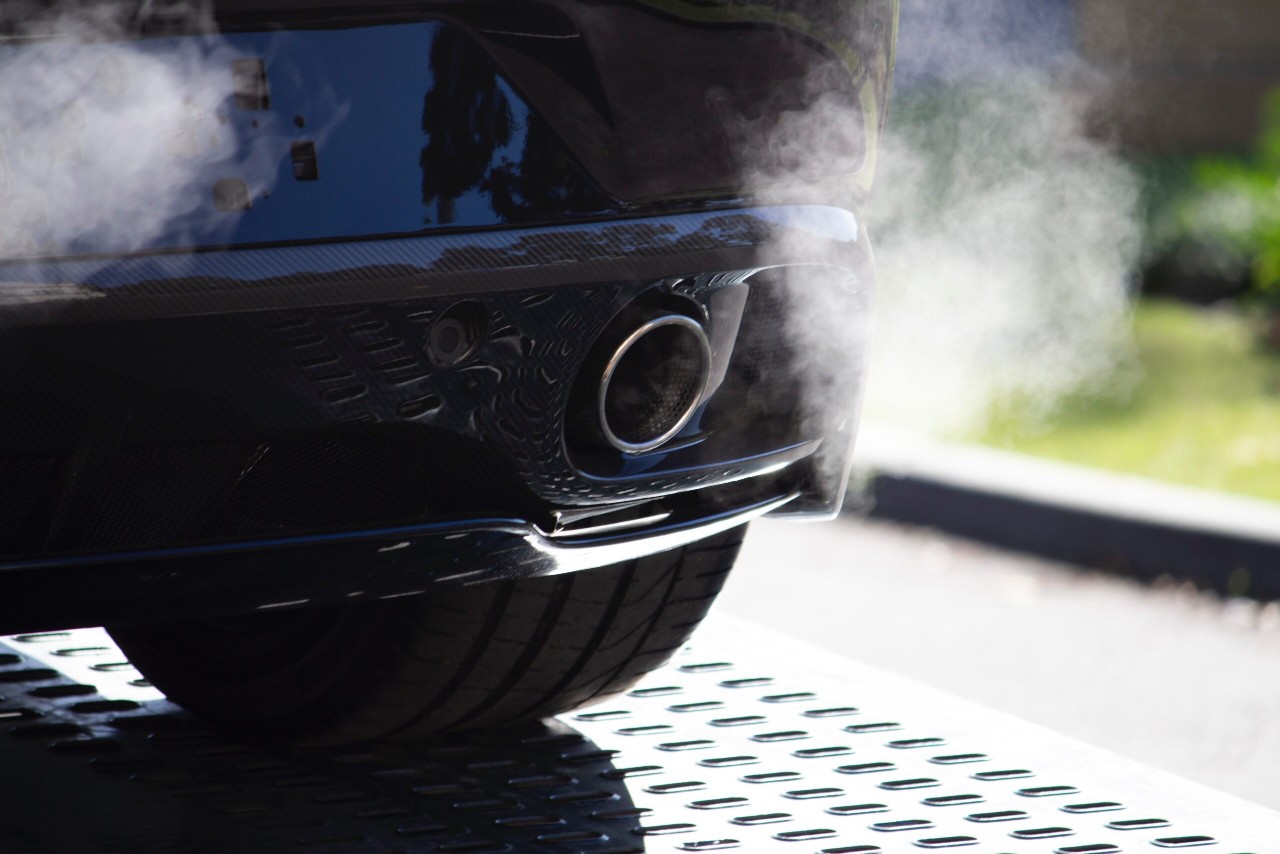
“Idling is the act of leaving a vehicle’s engine running while it is stationary. While this is often the result of traffic, there are some instances, such as waiting for children outside of schools and in traffic jams/long traffic pauses, when idling is not necessary and should be avoided. “ RAC
Since I looked into the problems associated with people leaving their engines idling outside schools and the effect on air quality for pedestrians, I have been a staunch believer in turning off my engine whenever my car is stationary. It is also worth noting that it is an offence to leave your engine running unnecessarily whilst it is stationary on a public road!
My rule of thumb is that if I am not moving, my engine stops. Exceptions are for when I stop in Helston and know the lights are going to change in the next 10 or so seconds – let’s face it, any of us who drive through know the sequence and how long we are likely to be waiting.
Some people are concerned that stopping and starting the engine uses more fuel, or is bad for your car, but the RAC say; “Don’t warm up or idle your engine. By switching off the engine, even for a short period, you’ll save more fuel than is used to restart the engine”. They do also add that for older cars, you should avoid repeatedly stopping and starting your engine over a short space of time.
For me, stopping my engine once at the lights on my way through the town, is no different to driving in, stopping and parking to shop at the hardware store or greengrocers and then starting my engine to drive on. When there is a queue of 5 or 10 vehicles at the lights, it becomes easy to see how this could scale up to make our town’s air cleaner.
Becoming conscious of when my engine is idling unnecessarily has made me really aware of the people outside: pedestrians, people waiting for buses and cyclists, and how they have to breath in everything the vehicles spew out whilst they are waiting at the lights, or on the sides of the road with their engines running.
It has also made me appreciate the quiet without the noise of the engine running, and I am sure it makes me feel more relaxed anytime I am waiting. I am able to take the time to stop and breathe and let the people outside do the same!
Sources for this post and for more information:
Idling drivers could face higher fines under new government crackdown – GOV.UK (www.gov.uk)
Engine idling – why it’s so harmful and what’s being done | RAC Drive
Air pollution: How damaging are idling cars and buses? – BBC News
carbonfootprint.com – Carbon Footprint Reduction
Melissa is working in the Helston Footprints project to reduce her carbon footprint along with other local residents – you can sign up here: